

Table of Contents
Are you struggling with gum recession? Pinhole gum rejuvenation might be the breakthrough and treatment option you need. This innovative, minimally invasive procedure has revolutionized the approach to treating receding gums, offering a quicker recovery time and less discomfort than traditional methods. This article will delve into how pinhole gum rejuvenation works, its benefits, and what you can expect during and after the treatment. Join us as we explore this cutting-edge technique that promises to restore your gums and your confidence in your smile.
Introduction to Pinhole Gum Rejuvenation: What It Is and How It Works

Pinhole Gum Rejuvenation, officially known as the Pinhole Surgical Technique (PST), is a modern, minimally invasive option for treating gum recession, often due to periodontal disease. Unlike traditional gum grafting methods and procedures that involve cutting and sutures, this technique offers a less painful and less invasive treatment solution.
Procedure Overview
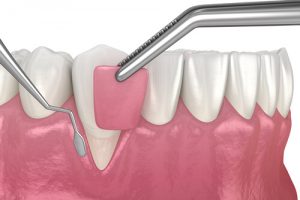
Developed by Dr. John Chao, the Pinhole Surgical Technique involves creating a small pinhole in the gum tissue above the area of recession. Special instruments are then used to gently loosen and reposition the gum tissue over the receded part of the gum line, covering exposed roots.
Use of Collagen Strips
After adjusting the gum tissue, tiny collagen strips are inserted through the pinhole. These strips help stabilize the gum tissue and encourage new tissue growth, aiding natural healing.
Advantages Over Traditional Methods
This scalpel-free, suture-free procedure minimizes the risk of further gum recession and reduces post-operative symptoms such as swelling, bleeding, and pain. It allows for the treatment of multiple teeth in one session and offers faster recovery, enabling patients to return to normal activities quickly.
Ideal Candidates
The procedure is best suited for patients with healthy gums experiencing gum recession but do not have active gum disease. It particularly appeals to those seeking a less traumatic alternative to conventional gum surgery.
The Benefits of Pinhole Gum Rejuvenation Over Traditional Gum Surgery
Pinhole Gum Rejuvenation offers a modern alternative to traditional gum surgery, providing several compelling benefits that make it a preferred choice for patients suffering from gum recession. This innovative technique, the Pinhole Surgical Technique (PST), is known for its less invasive approach and faster recovery times. Here’s a closer look at why many choose pinhole surgery for gum rejuvenation over traditional methods.
Benefits of Pinhole Gum Rejuvenation Over Traditional Gum Surgery
Minimally Invasive Procedure
Unlike gum grafting, which often involves cutting and removing tissue from another part of the mouth, pinhole gum rejuvenation requires only a small pinhole puncture in the gum. This means less trauma to the gum tissue and no need for scalpels or sutures.
Reduced Pain and Discomfort
Pinhole gum rejuvenation is minimally invasive and results in significantly less post-operative pain and discomfort than gum grafting. Patients typically require only over-the-counter pain relievers, if any, and report minimal swelling.
Quicker Recovery Time
Recovery from pinhole gum rejuvenation is rapid. Most patients can return to normal activities and diet the same day or the next day, unlike traditional methods, which may require weeks of healing before normal activities can be resumed.
No Need for Donor Tissue
Traditional gum grafting often requires taking tissue from the roof of the mouth, which can be quite painful and prolong recovery. Pinhole gum rejuvenation eliminates the need for donor tissue, as the existing gum tissue is loosened and repositioned.
Aesthetic Results
Pinhole gum rejuvenation provides immediate cosmetic improvements. Since the technique gently manipulates the existing gum line to cover exposed roots, patients notice an instant enhancement in the appearance of their gums.
Lower Risk of Complications
With no cuts and stitches, the risk of infection and complications associated with traditional gum surgery is significantly reduced. The pinhole technique also preserves more of the gum’s natural structure, reducing the risk of further recession.
Treatment of Multiple Areas in One Session
A significant advantage of pinhole gum rejuvenation is the ability to treat multiple areas of gum recession during a single appointment. Traditional techniques may only focus on one or two teeth at a time.
The Pinhole Gum Rejuvenation Procedure: A Step-by-Step Guide

Pinhole Gum Rejuvenation, also known as the Pinhole Surgical Technique (PST), is a minimally invasive alternative to traditional gum grafting for treating gum recession. This innovative procedure offers a quicker recovery and less discomfort, making it an appealing option for many patients to correct gum recession. Here’s a step-by-step guide to understanding how the Pinhole Gum Rejuvenation procedure is performed:
Step-by-Step Guide to the Pinhole Gum Rejuvenation Procedure
Preparation
The procedure starts with a thorough examination and cleaning. The dentist will ensure the patient’s teeth and gums are healthy and determine the areas that need treatment.
Anesthesia
Local anesthesia is administered to numb the treatment area, ensuring the patient experiences no pain during the procedure.
Making the Pinhole
The dentist makes a tiny pinhole in the gum tissue above the area of recession. This pinhole is the access point through which the rest of the procedure is performed, eliminating the need for incisions or sutures.
Loosening the Gum Tissue
Special instruments designed specifically for this procedure are inserted through the pinhole. These tools gently loosen and stretch the gum tissue, making it more flexible and malleable.
Repositioning the Gums
Once the gum tissue is loosened, the dentist uses the instruments to carefully reposition the gums to cover the exposed root surfaces of the teeth. This step is crucial as it helps restore the natural gum line without needing soft tissue grafting.
Inserting Collagen Strips
After the gums are repositioned, small strips of collagen are inserted through the Chao pinhole surgical technique and placed under them. These collagen strips help stabilize the gums in their new position and encourage new tissue growth, aiding in the healing process.
Final Adjustments and Healing
The dentist makes necessary adjustments to ensure the gums sit properly over the teeth. Since no sutures are needed, the pinhole quickly heals, usually within a day or so. The collagen supports the healing process, helping the gums heal naturally and securely over the exposed roots.
Post-Treatment Care and Recovery After Pinhole Gum Rejuvenation
After undergoing Pinhole Gum Rejuvenation, also known as the Pinhole Surgical Technique (PST), proper post-treatment care is crucial to ensure optimal healing and successful outcomes; this minimally invasive surgical procedure also requires specific follow-up care to maximize the benefits and minimize potential complications. Here’s a detailed guide to post-treatment care and recovery after Pinhole Gum Rejuvenation:
Post-Treatment Care and Recovery Tips
- Dietary Adjustments: Immediately following the procedure, it’s advisable to consume soft, non-chewy foods to avoid stressing the gums. Avoid hard, crunchy, or sticky foods that could irritate or displace the newly adjusted gum tissue. Foods like soups, yogurts, and smoothies are ideal during the initial healing phase.
- Oral Hygiene: Good oral hygiene is essential, but be gentle around the treated areas. Use a soft-bristled toothbrush and avoid aggressive brushing and flossing near the healing gums. Your dentist may recommend a gentle mouthwash to help keep the area clean without mechanical brushing in the first few days post-procedure.
- Avoid Smoking and Alcohol: Smoking can severely hinder the healing process and increase the risk of complications. Alcohol can also affect recovery, so it’s best to avoid these substances for at least a week after the procedure.
- Minimize Physical Activity: Limit physical activity for the first 24-48 hours after the procedure. Excessive exercise can increase blood flow to the gums, potentially causing swelling or bleeding.
- Pain Management: Some mild discomfort or swelling is normal after the procedure. According to your dentist’s recommendations, over-the-counter pain relievers, such as ibuprofen, can be used to manage any pain. Ice packs applied to the face in the area of the treatment can also help reduce swelling.
- Protect the Gum Line: Avoid using toothpicks or other dental tools that could poke or irritate the treated gums. Also, refrain from using straws as the suction movement can stress the gums.
- Follow-Up Appointments: Attend all scheduled follow-up appointments so your dentist can monitor your healing and address concerns. These check-ups are vital to ensure that the gums heal correctly and remain in place.
- Watch for Signs of Complication: Be vigilant for signs of infection or other complications, such as increased pain, persistent swelling, or unusual discharge. Contact your dentist immediately if you experience any of these symptoms.
In conclusion, pinhole gum rejuvenation is a transformative option for those suffering from gum disease or recession, offering a less invasive alternative to traditional gum surgery. This technique not only improves gum health but also enhances the aesthetic appearance of your smile with minimal discomfort and recovery time. If you’re exploring treatments for receding gums, consider pinhole gum rejuvenation a highly effective solution.
References
Pinhole Gum Surgery: Treatment for Gum Recession
https://www.colgate.com/en-us/oral-health/adult-oral-care/pinhole-gum-surgery-a-minimally-invasive-treatment-for-gum-recession
Pinhole Gum Rejuvenation®
https://pinholesurgicaltechnique.com/
Pinhole Surgical Technique – A Novel Minimally Invasive Approach for Treatment of Multiple Gingival Recession Defects: A Case Series
https://www.ncbi.nlm.nih.gov/pmc/articles/PMC7580744/
Gum Recession: Causes, Prevention, Surgery & Treatment
https://my.clevelandclinic.org/health/diseases/22753-gum-recession
Receding Gums: Causes, Treatment, Surgery, and Prevention
https://www.webmd.com/oral-health/receding_gums_causes-treatments


